Monday, June 20, 2011

Just sayin'


Grilled salmon; romaine salad with strawberries, lavender, rosemary, and balsamic vinaigrette; fresh bread with olive oil, sea salt, and cracked pepper.

Sunday, June 12, 2011

Kitchen's Done. Let's Drink!


My kitchen is done!

The last step was to put in the backsplash. I chose 2 x 6 subway tiles from Mission Tile West’s Revival series in blue wash. They make tiles to order, so I had to wait forEVER! for them to arrive. Almost none of them were broken and the guys from Handyman Connection were very careful and efficient. So now I have six or seven square feet of field tile left. What should I do with it? Someone hit me with ideas.

Detail: Look what a good job they did! Also: oooh, bullnose.


To celebrate, let’s make something easy and fun. The new countertops are acid-proof and the backsplash means I can use the blender with impunity. Let’s make fruity drinks!

I got a pineapple on sale and the mint in my garden is green and glorious. Plus there is a brand new bottle of rum in the cupboard just begging to be opened.

Yeah, baby.

Pineapple Agua Fresca Mojito
This is fun because a) it can be made out of any fruit you want, really; b) it probably doesn’t need any added sugar; c) you can skip the booze and it is still delicious.

A pineapple
Water
Sugar to taste (probably none!)
Mint leaves
Rum

Peel the pineapple. Don’t worry about doing too good of a job; and you don’t need to bother coring it, either. Cut it into chunks.

Fill the blender with pineapple chunks. Pour in some water; the waterline should be maybe a quarter to a third of the way up the blender jar. Liquefy. Set a fine strainer over a bowl and dump in the puree. Repeat this until there is no more pineapple. You may be forced to eat a chunk or two, you poor thing.

When the puree is well drained, sweeten the fruity water to taste (you might not need any sugar at all). Pour it into a pitcher and chill well. The pulp is done for, unless someone knows of a use for it besides compost?

Now then. Tear up a mint leaf or two or three into a tall glass. Use a chopstick or the handle of a wooden spoon to smash up the leaves a bit. Drop in some ice cubes and a finger or three of rum. Fill up with agua fresca, stir, and enjoy!

Tuesday, May 31, 2011

Mustard Jar Redemption


I’m really sorry I didn’t take the picture earlier. This is all that was left by the time I got back to the kitchen from grilling the brats. The other diners were merciless; they took no prisoners.

At least they didn’t take the last spoonful of potato salad, too. Even if they had, I would be too busy being proud of my recipe to get upset. I like this one for two reasons:

  1. It is fresh, simple, and immediate. There are only a handful of ingredients, but the vegetables can be locally grown and soon they’ll all be in season together.
  2. The dressing is a great way to finish off a jar of mustard.
No, really. You know when there is only a little bit of mustard at the bottom of the jar or bottle? You can go in there with a knife and scrape all day. The jar will ring like a bell but you will not get enough mustard to season a sandwich. You can shake the bottle for twenty minutes but all you can get out of it are rude noises. But since there’s still a bunch of mustard stuck to the sides of the container, you stick it back in the fridge. “Stupid mustard,” you think to yourself. “I wish I had the cunning to use you up or the courage to throw you out.”

Well this salad dressing will take care of it for you! There’s probably just the right amount of mustard left in the jar. Take off the lid, put in the rest of the dressing ingredients, and shake. You will get a delicious salad dressing. You will clean up the container so it is fit to go in with the recycling. And you will have used up the last of that mustard. Aaah, closure!

Potato Salad with Dijon Dressing
Serves 6 to 8.

1 ½ lb potatoes (new red potatoes are great), scrubbed and cut in chunks
½ lb asparagus or green beans, snapped into 1” pieces
2 T Dijon mustard
2 T red wine vinegar
2 T lemon juice
1/3 c olive oil
3 T dill leaves, coarsely chopped
1 T capers

Boil the potatoes until just tender, about 20-25 minutes. In the last few minutes of cooking, throw the asparagus or green beans into the pot.
Drain the vegetables and plunge them into ice water to stop the cooking. Drain well. Chill.

Shake the mustard, vinegar, lemon juice, and oil until combined.

Close to serving time, toss the vegetables with the dill, the capers, and the dressing. If you leave the salad sitting in its dressing, the potatoes will absorb much of the liquid. Who knows; maybe you like that sort of thing.

Sunday, May 22, 2011

Nettles called...

Oh, hi! Hey, nettles called. They asked me to tell you to stop talking about that part of your yard where “nothing grows.”

No way, you say. Nettles are something, all right. Look how mean they are! They are covered with these little stickers full of formic acid, the same stuff in ant bites and bee stings. You think you can be friends with nettles, but if you get close, they burn you every time. Amirite?

OK, you have a point. But if you just handle them right, nettles are cool. They can hang out in all kinds of snacks, like pasta and soup and frittata and stuff. Sometimes when you meet a vegetable and you can’t seem to get along, you should just do what you like to do until you get to know each other better, K?

Like, if you have 15 minutes, some cheese, and a couple of tortillas, maybe you guys could make quesadillas together. Then you’ll be just chillin’ with a beer, you and your new friend Nettles.

Nettle Quesadillas
1 bunch nettles (mine came from Harmony Valley)
1 cup shredded cheese
8 corn tortillas
2 T oil
Salt to taste
A dollop of salsa if you want

Wear gloves to pick the nettle leaves off the stems. Wash them well and spin them dry. There should be about 2 tightly packed cups of leaves.
Heat a tablespoon of oil in a heavy frying pan. Toss the nettles in the hot oil until they reduce in volume and cook through; you may need to throw a splash of water in the pan to keep things from sticking. Remove the cooked nettles to a plate or bowl and season to taste.

Wipe out the frying pan, add just enough oil to coat the bottom, and reheat. Lay a pair of corn tortillas in the pan. When they begin to puff up, flip them over. They should have toasty brown spots on them. Put about a quarter cup of cheese and a quarter of the nettles on one of the tortillas. Stack the other tortilla, toasted side down, on top.

When the cheese gets melty, flip the quesadilla over and cook until the last tortilla surface is toasty. Turn it out onto a plate, quarter it, and top with salsa maybe. Hand it immediately to someone to eat. Cook the remaining quesadillas in the same way.

Peace out!

Tuesday, May 17, 2011

Brown Study


For me, morels are from another world. Someone else knows them. Not me. Someone else from a morel family knows the secret: these seasonal markers, when the buds on this tree are just so, when these flowers bloom. Someone else takes a path, finds landmarks, turns here at this rock and arrives at this stump. In a town I don’t know, someone recognizes a man but will not greet him because, thirty years ago, his father came back alone to a place her father showed him.

I hope no one ever figures out how to cultivate them, either, because their mystery is part of their appeal. I hope they always stay scarce, ephemeral, and expensive. This forces a person to approach them with some gravity, mindfulness, and respect. For middle-class city dwellers, there are so few truly seasonal foods. Almost everything is attainable with a splurge or a search. It’s a comfort—to me, at least—to know that some things aren’t for sale because they truly can’t be bought at any price. Fresh morels, in any season but spring, are a thing like that.

Fresh morel pilaf, pan-grilled trout, and sorrel sauce

The pilaf
¼ lb fresh morels, rinsed well (they’re gritty!) and chopped roughly
1 bunch ramps or green onions, sliced (white part only)
2-3 T butter or oil
1 cup basmati rice
2 cups water or stock
Salt and pepper to taste

Heat the stock in a small saucepan and keep it ready. Heat the butter or oil in a pan with a tight-fitting lid. Sauté the ramps and morels until the mushrooms release, then resorb, their juices. Toss the rice into the pan and sauté a few minutes more until the rice starts to turn golden brown. Add the hot stock and bring to a boil. Turn the heat down to simmering, cover the pan, and cook until the liquid is absorbed, about 20 minutes. Season to taste.


Back to top

The sauce
Make the sauce while you’re making the pilaf. Be sure it’s ready before you cook the fish. This one is modified from a recipe in Joy of Cooking.

1 carrot, chopped
2 sticks celery, chopped
1 medium onion, chopped
2 cloves garlic
6 springs flat-leaf parsley
½ c water
½ c dry white wine
4 T butter, cut in little pieces
1 bunch sorrel, washed and torn or cut into 1” pieces
Salt and pepper to taste

Put the carrot, celery, garlic, parsley, water, and wine in a small saucepan with a tight-fitting lid and cook for 20 minutes. Strain the liquid and put back in the pot. There should be a half cup.
Heat the stock and whisk in the butter. Stir in the sorrel and let it wilt. Season to taste. Set the sauce aside while you make the fish.

Back to top

A trout
A pan

Heat up the pan for a few minutes. The trick is for it to be very hot. Lay the trout in the pan and wait 5-6 minutes; check inside and see if the inside of the bottom fillet is starting to cook. When it is, then flip the trout over and cook for another 5-6 minutes. The skin will be attractively brown and blistered. How fantastic is that?!

Back to top

To serve: I think it is fun to make a little arrangement of the trout on a platter and show it to the diners. So dramatic! Why should the cook be the only one to enjoy the fun?


Next, slit the trout down the back and make a cut through the skin across the tail and across the body just behind the gills. Use a fork, the knife, a spatula, and a few muttered curse words to release the top fillet from the trout’s skeleton. Put this on a plate flesh side up and spoon on some of the sorrel sauce. Put a spoonful of mushroom pilaf on the plate and maybe some green frippery at the top.


Lift the head and tail. The skeleton should come off the second fillet, which you can then plate and sauce. So fancy. If you are not creeped out by the head, then don’t forget to pick out the tiny morsels of trout cheek under the gill plate just south of the eyes.

Bon appetit!

Saturday, May 14, 2011

Heard it in a love song

...about spinach and watercress tossed with honey mustard dressing.

Cain't be wrong.

Monday, May 9, 2011

Kale: Take That!


You see what I did there?

I stripped the Russian kale off the stems; macerated it in olive oil, salt, and lemon juice for half an hour (props to AffairsofLiving.com); then tossed it with a sectioned navel orange and a pinch of toasted anise seeds.

Mmm-hmm. You're welcome.

First outdoor meal of the season


My young neighbor Jack rolled up to me on his Razor scooter on Saturday and we chatted. "It's a nice summer day," he remarked. "It might not be summer tomorrow, but it is today."

I agree with him, and quick while it's summer, I made the season's first meal that I ate outside on a lounge chair. It's a steak cooked rare; mushrooms sauteed with ramps and finished with Madeira; new potatoes with butter and chopped herbs; a green salad with tomatoes, black radish, romaine, and sorrel; and a nice glass of Malbec. Thank goodness for Harmony Valley. Life was getting so bland!

Monday, May 2, 2011

I did it all by MYSELF!


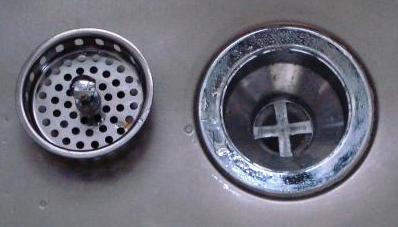
After using it twice, I came to regret the garbage disposal. My 100-year-old plumbing does not care to play nicely with it. (That’s OK, because for most of the year, my kitchen scraps go to compost anyway.) I was annoyed that I went to the trouble and expense of having it installed, and I didn’t want to spend another nickel to get rid of it. So I took it out! All by myself!

Except for help from an instruction manual, a how-to book, two online tutorials, and three people at two different hardware stores.
 
My lovely drain

Other than that, though, I did it completely unassisted! I took it out and replaced it with a regular drain and plumbing. It doesn’t even leak! Yaaaaay!

The kitchen is almost done, except for a tiny bit of painting and the backsplash. I put all my dishes and pans and cans and bottles in the new cupboards. We are ready to roll.

Which is good, because this week is the first Harmony Valley CSA share of the year. I can’t wait!

Tuesday, April 19, 2011

¿Quién sea La Anita?

My kitchen has countertops now! And the stove is in its new home, I have plumbing, and I have a dishwasher. (Dishwashers are magical! Why didn’t anyone tell me?)


My stuff is still in boxes in the basement, but I rummaged around and found enough pots, pans, utensils, and spices to make an inaugural chicken dinner.


Which, um, I cooked on the grill.

Well, I painted all day, OK?! And besides, it is all clean and beautiful in there. It still feels like a museum or a shrine, too special to mess up with spatters and drips.

I wanted to do something interesting to the chicken; but I haven’t been grocery shopping in a while, so I don’t have the usual deep bench of ingredients in the fridge. I dug through my “Spice Cabinet” box until I found something interesting:


I am ashamed to tell you how long ago I bought this box of achiote powder. But I am not ashamed to tell you WHY I bought it. Look at her!

I like food packaging that has pictures of women. La Contadina from the tomato paste can; the wheat farmer on the De Cecco pasta box; the mother and daughter that used to be on Amy’s Kitchen packages. I like their expressions of abundance, generosity, and the friendly pride of a good cook issuing an invitation to a meal she knows her guest will enjoy.

But La Anita? She is a little off.

First of all, she floats alone on her orangey-pink background. The De Cecco lady strides through her wheat field, Amy feeds her daughter a taste right from the stove, but where is La Anita’s context? Why is she holding that enormous roast bird? Dios mio, it’s as big as she is. For what occasion did she cook it? Where is the hot kitchen in which she labored to prepare it? Where are the half-dozen other people who cooked with her? Where is the family who will help her eat it?

Second, what are we to make of that look on her face? The tightened lips, the narrowed eyes, the arched brows… is it a smile? A smirk? Is she about to sneer? Is she barely keeping it together under the strain of holding that ostrich en achiote?


Who is she?

¿Quién sea La Anita?


Well whoever she is, I wish I’d tried her achiote paste a lot sooner because it is easy and adds good flavor to barbecued chicken. Thanks, weird lady.

Monday, March 28, 2011

Pie Haven, Pizza Fail

My kitchen’s still not ready for cooking, but it’s getting close!


This weekend, dear sweet Katrina welcomed me into her well-appointed kitchen so I could work out some of my pie issues. Katrina and my sweetheart, Beth, who have been friends since their freshman year of college, sat at the kitchen table and talked.

I listened with only half an ear, enjoying the piano song of women’s voices in easy confidence with each other. My hands remembered the stiffness of butter cut into wheat flour, the elastic resistance of pastry as I rolled it out on Katrina’s vintage enamel baking cart with her wooden pin. I felt my shoulders release the fretfulness of paint chips, the uncertainty of countertops and light fixtures, the angst of constant shopping.

The next day I felt inspired to attempt some dough at home. I set out to answer this question: Can a person make a creditable pizza in an electric fry pan?


I’m loathe to say I couldn’t. But the fact remains I didn’t.

Were I to try again, I’d…
  • Roll the dough out super-thin. The crust crisped up only to the thickness of a cracker. The rest of my quarter-inch-thick crust was rather steamed.
  • Make the pan as hot as possible. Even this will not be hot enough.
  • Flip the crust over like a pancake, then put sauce and fixings on top.
  • Don’t expect the cheese to be toasted.
  • Order delivery instead.

Tuesday, March 22, 2011

All I can fix in THIS kitchen

I have walls! I have paint! But still no horizontal surfaces.

While I was painting this weekend, I snuck around behind my back and tore off the rest of the window trim. I sanded and primed the sashes, too, while I wasn’t looking. What a jerk.

Now, for your and my amusement both, a list of things that happen in my friend John Reimringer’s book Vestments that have happened in my kitchen since last week:
• Smashing out wallboard
• Fixing wallboard
• Sanding and repainting window sashes
• Painting walls
• An enormous glass of whiskey

It’s Jameson on the rocks. Recipe: One Jameson. One rocks. Put in a glass. The End.

Thursday, March 17, 2011

Swiss Seitan

I’ve just come home from vacation, and my kitchen looks like this:

See what I got? A problem! See what I don’t got: no stove, no sink, no countertops, no nothing. I’m tired; I’m crabby; I have to go to work instead of gad about all day in the sun with my girl. And now I have nothing to eat and nowhere to cook it.

But look! The workmen had to move some stuff out of the storage room to get at the electrical panel. Look what they unearthed!


It is my mom’s electric fry pan. She got it for a wedding present in the late 1960s. I drew the yellow lines around it to show off its majesty.

Well if this thing is here, then I am halfway to a good dinner. How about if I get out Mom’s Better Homes New Cookbook? It’s appropriate to the era.


Yeah, it was new back in the day, but not anymore. This might also have been a wedding present. What are these doing in my house?! Who can remember, and right now, who cares. These things are my ticket to some not-microwaved meals. Look at this goofy book:


“Men’s favorite?” With all due respect, men, who cares? I don’t need your approval to decide whether it’s good. And, in men’s defense, why does the Better Homes and Garden’s New Cookbook presume to know the salad preferences of half the human race? As my feminist scholar sweetheart would say, “It’s problematic.”

Oh get a load of this one:


This picture both co-opts, and eviscerates the potency of, the 1960s ethic of drugged-out spiritual exoticism. Nothing could be squarer than Susie Homemaker here, but she is all Lord Shiva on your ass with her Jiffy Cooking. Her dance both creates a meal from canned and frozen foods in 20 minutes and destroys any chance you might have had of enjoying home-cooked flavors from fresh ingredients. As an added ironic bonus, many people (possibly including the editors) may have missed the significance of this visual reference.

Enough ripping on Mom’s book. It is, along with its friend Electric Fry Pan, going to feed my ungrateful face. I deem Swiss steak to be a properly kitschy thing to cook. Also it has few ingredients and I have no prep space. Here are the directions.

As you see, it’s not a recipe. It’s truly just directions.

I don’t want to be as meat-tastic as things were in the 1960s. So I’m substituting seitan for beef. I’m not pounding in any flour or seasonings because seitan is already made of flour and seasonings. I’m also not going to simmer it until it’s tender because it’s already tender. I’m just going to whip it up and then steam a few potatoes in the microwave. No problem!

Look at it! It’s cooking like gangbusters, and it is starting to smell decidedly midcentury here in my basement.

And in twenty minutes, it’s food. I am just like Jiffy Cooking Lord Shiva Apron Lady.

Is it any good? Mmmehhhhhh… it’s problematic.

Saturday, March 5, 2011

Straitened Circumstances

For the next four weeks or so, this will be my kitchen:


My house is a foursquare built in 1908; the original kitchen was most likely a tiny, dark, and utilitarian 19th-century cubby. At some point, someone rearranged a few walls and added four feet to the back of the house to create a galley. If the style of cabinets is any indication, this might have been done sometime between 1967 and 1978. In 1999, a hasty do-it-yourselfer slapped on some quarter-round molding and vinyl flooring to prepare the house for sale to me.

I cook in an awkwardly designed kitchen with a four-foot-square work triangle. The unvented stove is in a corner. The fridge is directly opposite. They share the end of the narrow room with a defunct radiator. The sink is eighteen inches to the left of the stove. It’s impossible for more than one person to work comfortably.

Over the past few years I’ve been feeling increasingly grumbly about the kitchen. The final straw came one morning this past November when I made pancakes. My bedroom upstairs smelled like an IHOP for three days afterwards. OH! That was IT!

So I’ve been working for a couple of months on figuring out what I want and whom to hire. Demolition starts this coming week. I won’t get to cook anything meaningful in my own kitchen until April. But when it is finished, I will have new cabinets. I will have hardwood floors to match what’s in the rest of the house. I will have more light, a new sink, a dishwasher (for the first time!), a better workspace configuration, and more countertops. The materials, style and colors will be appropriate to the era in which my house was built.

Meanwhile, though, I will be eating like a college student out of the microwave that lives on a cart in the basement. I'll keep you posted.

Sunday, February 13, 2011

Crocktodogs!


This is ridiculous. It is my guilty pleasure: hot dogs violate every food ethic I hold dear. But I somehow still love them. I wish I knew how to quit you, hot dogs.

You’re welcome/I’m sorry.

Sunday, January 30, 2011

Cranberry Crunch: Not Brown

It’s the time of year again where everything is boring. The markets are boring: there’s nothing seasonal in them and everything is from somewhere else. The weather is boring. All the food I cook seems boring lately. For one thing, it is very brown. The last four things I cooked were brown. Browwwnnnnnnn. Booooo-rinnnnnng.

But hey, my neighbor gave me a bag of fresh Wisconsin cranberries leftover from Christmas. She didn’t quite get around to rounding up her kids, stringing the cranberries with popcorn, and garlanding the tree. The berries were about to go ‘round the bend, too. Quick! Make them into something!

Maybe I will make crunch. Crunch is easy. It has very few ingredients, and they are almost always on hand for most cooks. Plus it is all pioneery and Little House on the Prairie. Crunches, crumbles, and crisps are the birthright of every American who is middle class, has a northern European ethnic background, and has an ancestor who settled west of Ohio anytime before 1890. (Oops. Only two out of three for me. Does that make me a poseur?)

Hey, this isn’t boring. It is sweet yet zingy, warm and bubbly, and best of all—garnet red! Yay, this is so NOT brown. I feel alive!

Cranberry Crunch
OK, fine. The topping is brown. So sue me.

1 c oats
1 c brown sugar
½ c flour
Pinch salt
1 stick butter
1 bag cranberries
½ c sugar

Mix the oats, brown sugar, flour, and salt. Cut in the butter until crumbly. Pat half this mixture in the bottom of an 8 x 8 pan. Dump in the cranberries and sprinkle them with the sugar. Sprinkle the rest of the crunch stuff on top.

Bake an hour, then cool for 20 minutes (or don’t). Serve with ice cream maybe.

Easy and fun!

Saturday, January 22, 2011

A Day to Celebrate Pie


The American Pie Council® has declared January 23 National Pie Day! The APC’s web site proclaims a day “dedicated to the celebration of pie.”

According to the APC’s notes about pie history, “Pie has been around since the ancient Egyptians. The first pies were made by early Romans who may have learned about it through the Greeks.” So not only is pie A) delicious; but it B) has the power to transcend space/time and C) is not subject to the laws of cause and effect.

Hooray for Pie!

Zwiebelpastete
I brought this dish, based on a recipe from Marianna Olszewska Heberle’s German Cooking, to a Pie Day party. The original recipe called for bacon, but I (rightly) guessed there’d be vegetarians and left it out. Instead, I used repeated simmering to draw out and deepen the flavor. When people asked how to say this word, I explained it is pronounced “onion pie.”


½ cup butter
1 c flour
1 pinch sugar
1 pinch flour
2-3 T milk
1 T olive oil
3 large sweet onions, sliced
1 c vegetable broth
¼ c vodka
½ c sour cream
1 egg plus 1 egg white, lightly beaten
1 T chopped fresh chives
Salt and pepper to taste
1 egg yolk, beaten with ½ t water
¼ t caraway seeds
Paprika

Mix flour, sugar and salt; cut in butter until mixture is like coarse meal. Sprinkle on the milk, mix with a fork, and form the dough into a ball. Roll out and line a greased 10" or 11" pie pan with the dough. Crimp or flute the edge and trim off the extra. If you have time, wrap loosely and let the crust rest from an hour up to overnight. This will keep fancy edges from puffing out of shape in the oven.

Heat the oven to 350°. Prick the crust all over with a fork, weight it, and bake until browned, perhaps 20 minutes. Remove the weights and set the crust aside.

Meanwhile, heat the oil in a big sauté pan. Cook the onions gently until they begin to soften. Splash in half the stock and continue stirring until the liquid evaporates. Splash in the rest of the stock and repeat. Splash in the vodka and cook the onions down one more time. Set them aside.

Turn the oven up to 375°. Separate one of the eggs and set the yolk aside. Beat the white and the other egg, then mix with the chives, sour cream, and salt/pepper to taste. Mix this into the onions. Spread the onion mixture evenly in the bottom of the pie crust.

Beat the leftover yolk with the half teaspoon of water and brush all over the top of the pie. Sprinkle on the caraway seeds and dust the top with paprika. Bake until the pie is set and the top begins to brown, about 20 minutes.

Let cool slightly and serve warm.

Happy Pie Day!

Monday, January 17, 2011

Bienvenue Bluie!

Welcome to the family, petite chou!
This holiday season, through a combination of comparison shopping, lurking in cooking stores, and fortuitous receipt of gift cards, I made a longtime dream come true. I bought a 4.5 quart cobalt blue French oven from Le Creuset.

There was my new baby, all round and smooth and perfectly blue! What would I do to welcome her to the family?

I knew: I’d make cassoulet from Mastering the Art of French Cooking. No, I had never made it before. But it’s one of my favorite kinds of food: making it once is like making four other different things! Twice!! And I would get to put Bluie through her paces.

First there was shopping. I did not want to use lamb, as Mastering suggests. (My better half does not want to eat anything cute and fluffy.) Goose, duck, and partridge were uncomfortably expensive—especially right after the excesses of Sparklemas. I decided to use pork.


Polish sausage and ham hock
from Tollefson. Pork rind from
Finer Meats.
Even on a regular day, this dish calls for four different kinds of pork: roast, side or salt pork, sausage, and pork rind. I thought a nice, flavorful ham hock would be the perfect economical stand-in for rich duck or goose confit. I went to the Minneapolis Farmers Market to see Dan Tollefson, my favorite pork farmer in the world. He set me up with everything but rind. After calling all over the city, I found it at Finer Meat Company just a few blocks from my house. Who knew that this store was there? And why didn’t they tell me?! Finer Meat has a beautiful array of fresh, smoked, and salted meats. They have a shelf of meat-related groceries. (They have butcher hats on, for crying out loud!) They sold me a half-pound of lovely pork rind for a buck.

I’m not going to recite the recipe, since it is tiresome in its length and also it’s not mine. My Google fu turned up this, which will get you there. Instead of goose, I used a pork roast per Mastering’s original instruction. Instead of lamb, I used a ham hock per my imagination.

First, make a roast. Brown a pork loin and then some onions and carrots. Throw in a bouquet garni, then cover and pop in a 325 degree oven for an hour and a half.


(Just so you know, I used some bean cooking water to wash this tasty brown stuff back into the pot.)


Pork rind: weirdly elegant?
While all that jazz is going down in the oven, time to start the beans. Child specifies the quick-soak method. While the beans soak in their hot bath, freshen the pork rind in two changes of boiling water. Then cut it into quarter-inch dice and simmer it for a half hour. You’re essentially making gelatin here: the softened pork rind will melt to nothing but collagen. It will add velvety body to the finished dish.


All the stuff in the picture to the right, here, has got to get crammed into the same pot to simmer for an hour and a half. Julia wasn’t kidding about an 8-quart pot. I didn’t listen. I’m using the gray pot because Bluie was in the oven during this part.


C'est magnifique! Also I don't
speak French.
While the beans are cooking, or maybe the next day, you can make another meat dish. Mastering has many suggestions, including lamb braised with browned bones that add flavor. I had some meaty pork bones left over from Sparklemas dinner. I browned those in Bluie, then browned two chopped onions and two diced carrots. The bones went back in the pot along with a ham hock, a bottle of Sauvignon Blanc, a can of tomato paste, two bay leaves, four cloves of mashed garlic, and a half teaspoon of thyme. I braised that in the oven for an hour and a half.


Finally, everything is cooked and it smells like a French chophouse in here. Time to assemble...


...and top with crumbs and butter.


After baking it looks... um, it looks rather brown.


But it tastes like the heavenly congress of pork and beans. Which it is!


And though I scrubbed her with an enamel-safe pad and plenty of soap, Bluie has a few brown battle scars on the bottom of her. Ah, c’est la vie, little one. You work hard in this family of pots and pans. You get a mark here, a ding there. But you are no less beloved for it; no less beautiful to me.